Hair Shedding vs Hair Loss: What’s Normal And When Should You Be Concerned?
More hair in the shower doesn’t automatically mean hair loss. We look at what normal shedding can look like and why you might suddenly be losing more hair.

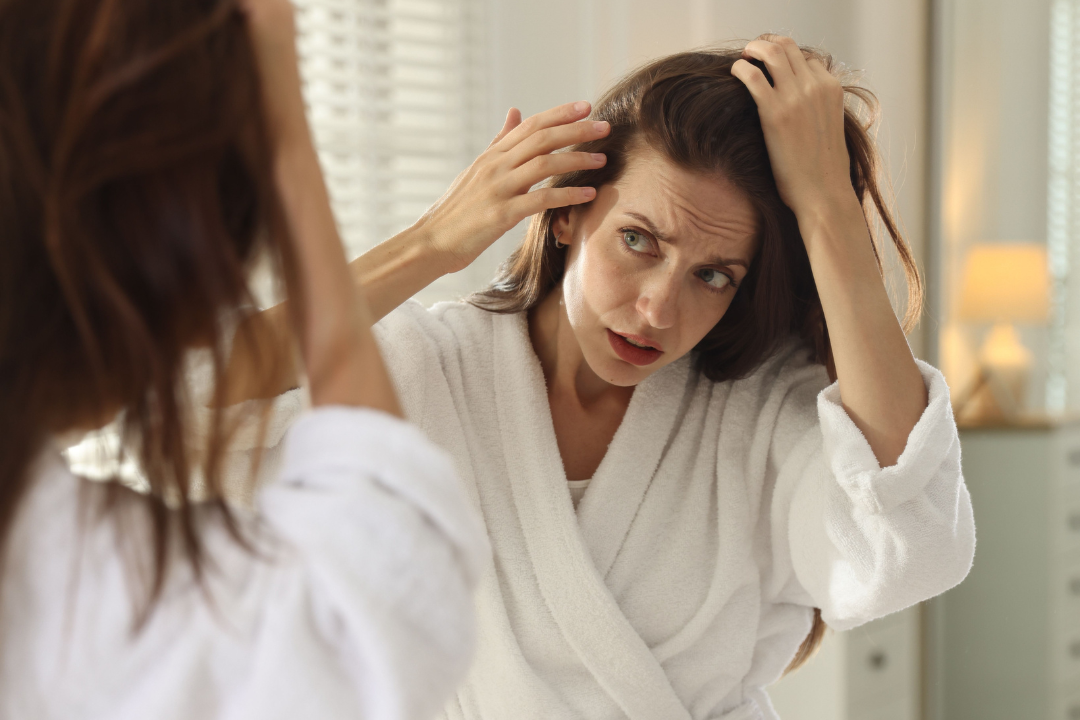
You wash your hair, look down at the shower tray, and suddenly there seems to be hair everywhere. Then there are the strands caught in your brush, the ones that somehow end up on the back of your jumper and, before you know it, you’re asking yourself, why is my hair falling out?
Before you panic, seeing hair come away doesn’t necessarily mean you’re experiencing hair loss. Shedding is a completely normal part of having hair in the first place, and some days, particularly wash day, can make it look far more dramatic than it really is.
What’s more useful is knowing what’s normal for your hair. A noticeable change in the amount you’re shedding, how full your hair feels or even how your parting looks can tell you much more than obsessively counting individual strands. So, let’s get into hair shedding vs hair loss, why you might suddenly be seeing more hair than usual and when it’s worth paying a little closer attention.
Hair Shedding vs Hair Loss: What’s The Difference?
We tend to think shedding and hair loss mean the same thing, but there is an important difference between them.
Your hair is constantly moving through its natural growth cycle. There’s a growing phase, followed by a short transitional period and then a resting phase, after which the strand eventually sheds, and a new growth cycle can begin. In other words, some of the hair sitting in your brush has simply reached the end of its time.
Around 50 to 100 hairs a day is commonly considered a normal amount to shed, while some clinical guidance suggests it can be closer to 150 for some people. Either way, we definitely don’t recommend standing over the bathroom sink and counting them one by one.
Hair loss is different because something is affecting the hair’s normal growth. Rather than simply shedding strands that are ready to fall, you might begin noticing a gradual reduction in density, changes around the hairline, a widening parting or areas where hair isn’t returning as expected. You can also experience excessive shedding and hair loss at the same time, which is why working out what’s actually happening matters.
 So, How Much Hair In The Shower Is Too Much?
There’s something about wet hair collecting together during hair wash day that can make a completely normal amount of shedding look fairly alarming. If your hair is long, every shed strand is naturally going to look more noticeable. The same applies if you don’t wash your hair every day. Loose strands can remain caught amongst the rest of your hair until you brush or wash it, meaning several days of normal shedding might suddenly make an appearance at once.
So rather than focusing entirely on the size of the hairball you’ve just rescued from the shower drain, think about whether anything has actually changed.
If you’ve always found a similar amount after washing, chances are you’re simply seeing your normal shedding pattern. If that amount suddenly becomes noticeably heavier and continues that way for several weeks, that’s when it becomes more useful to ask why.
Why Am I Suddenly Shedding More Hair?
Sometimes, the frustrating answer is that your hair is reacting to something that happened months ago. A period of significant physical or emotional stress can cause more hairs than usual to move into the resting stage of the growth cycle at around the same time. The extra shedding that follows is known as telogen effluvium, and the delay between the trigger and the hair fall means the connection isn’t always obvious.
You might have recovered from an illness, gone through a particularly stressful period or experienced a major change in your body and only notice excessive hair shedding later. This temporary increase in shedding can be caused by:
- High fever
- Surgery
- Childbirth
- Rapid weight loss
- Some medications
Is Seasonal Hair Shedding Actually A Thing?
Every year, particularly as we move towards autumn, seasonal hair shedding starts appearing in conversations again. So, should you simply blame the change in season if there suddenly seems to be more hair in your brush? We’d be cautious about automatically writing it off that way.
You may notice that the amount your hair sheds seems to fluctuate at different points of the year, but there isn’t one seasonal pattern you should expect your hair to follow. What matters more is whether what you’re seeing is different from your normal.
If the increase is significant, continues rather than settling or comes with changes in density, your parting or your hairline, it’s worth looking beyond the calendar. Calling something seasonal shouldn’t stop you paying attention when your hair is telling you something has changed.
 Hair Loss In Women: What Can It Look Like?
When we picture hair loss, it’s easy to imagine one obvious bald area, but hair loss in women can be much more gradual.
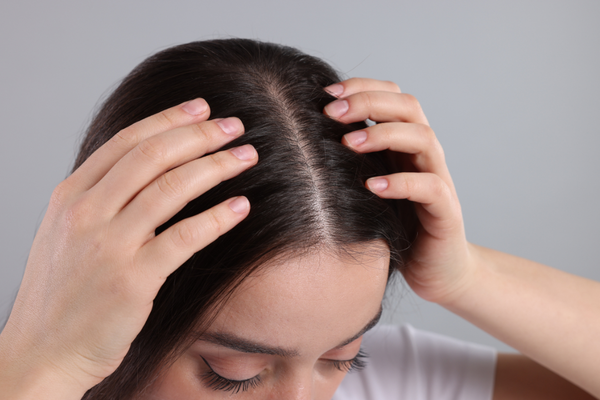
Maybe your ponytail doesn’t feel quite as thick as it used to. Your parting seems wider when you catch it under bright lighting, your scalp is a little more visible in photographs or you’re simply noticing that your hair doesn’t have the density it once did.
Hormonal changes can also influence the hair cycle, which is why increased shedding can sometimes happen around events such as pregnancy and menopause. Hereditary female-pattern hair loss can cause gradual thinning too, while stress, illness and other factors can contribute to changes in shedding.
Could Your Hair Be Breaking Rather Than Falling Out?
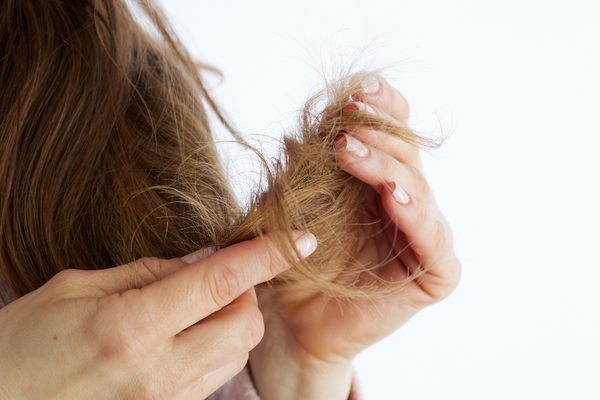
There’s another culprit worth considering before assuming every strand you find is being shed from the root: breakage. Hair that has been frequently bleached, chemically processed, exposed to high temperatures or pulled into tight styles can become weaker through the lengths. Instead of a full strand naturally shedding from the scalp, part of the hair simply snaps.
You might notice shorter pieces around your sink or clothing, more uneven lengths or ends that feel particularly fragile. If you colour or heat style regularly, breakage can also make your overall hair feel less full even though the issue isn’t necessarily happening at the follicle.
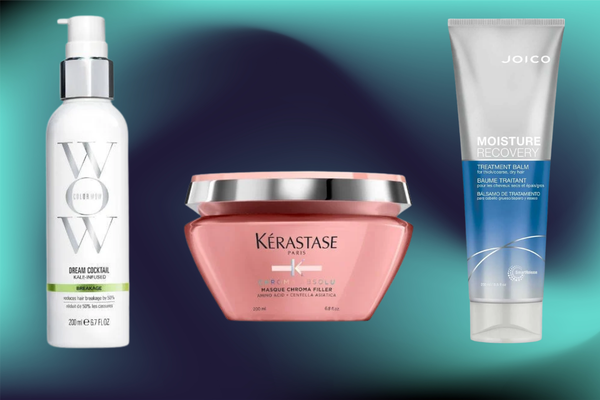
This is where how you treat your existing hair really does matter. Being gentler when brushing and detangling, reducing unnecessary heat and tension and giving damaged lengths proper conditioning support can all help minimise that breakage while you work out what else might be going on.
 When Should You Be Concerned About Hair Loss?
If the amount you’re shedding has noticeably increased and stays that way, you’re seeing visible thinning or bald areas, your hairline is changing or your scalp has also become irritated or sensitive, it’s worth speaking to your GP or a dermatologist.
The same goes if the change simply doesn’t feel normal for you. You don’t have to wait until hair loss feels 'bad enough' before asking somebody about it.
Support Your Hair And Scalp
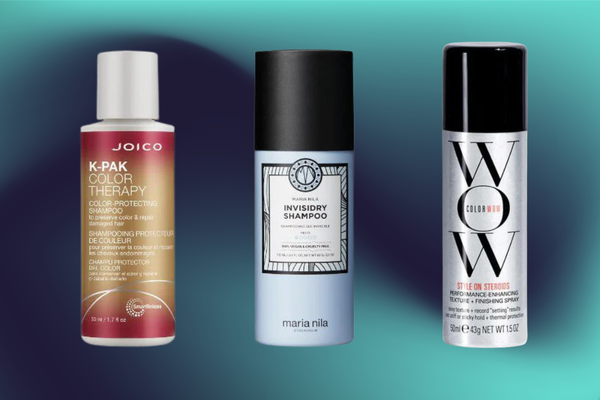
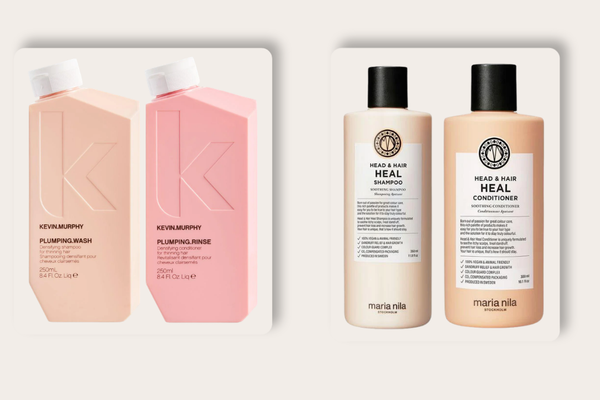
Whatever is behind a change in your hair, looking after your scalp and the strands you already have is always worthwhile. Our Hair Loss & Scalp Concerns collection brings together targeted salon haircare for a range of concerns, whether your focus is thinning-looking hair, breakage or simply giving your scalp a little more attention.