The Importance of Scalp Health
Healthy-looking hair starts with a scalp that feels clean, calm and balanced. Discover the signs your scalp needs attention, what may be causing itching or build-up, and the products that can help.
We often take care of our hair, from nourishing hair masks while we clean to heat protectant before styling. But the scalp itself? It often receives attention only once it starts itching or making freshly washed hair feel greasy again by lunchtime.
Your scalp is skin. Keeping it clean, comfortable and balanced creates a better foundation for healthy-looking hair and helps your routine work more effectively from root to tip.
How Do I Know My Scalp Is Unhealthy?
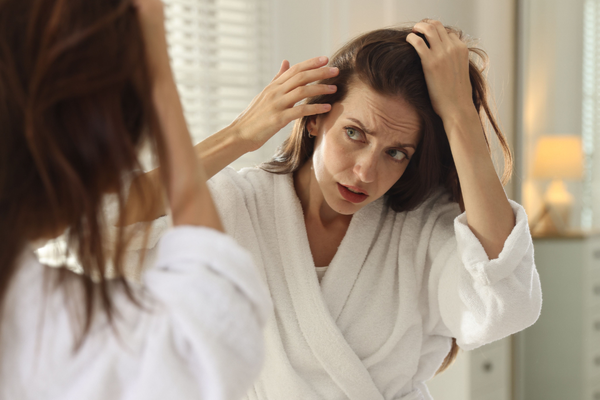
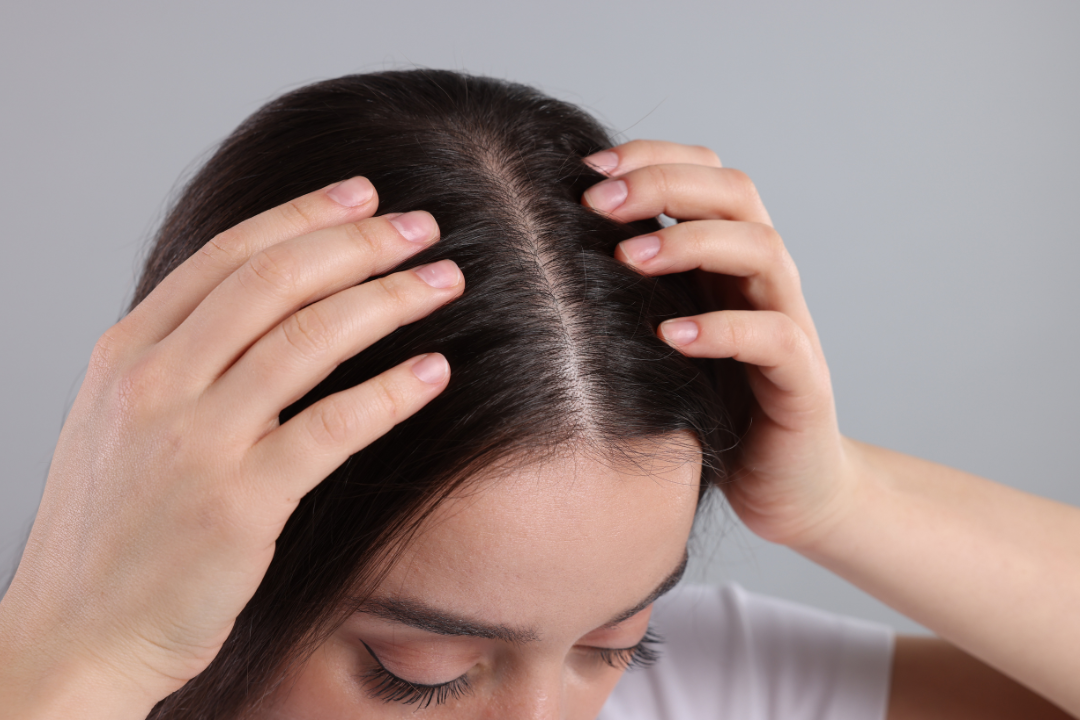
An occasional itch or overdue wash is rarely a cause for alarm. Pay attention when symptoms keep returning, particularly persistent itching, flakes, redness, tenderness, tightness, excess oil, spots or stubborn build-up.
Sudden hair loss, broken skin, painful inflammation or symptoms that do not improve should be discussed with your GP or a dermatologist, as eczema or psoriasis can look similar but require different care.
You can take a look at our sister company podcast to understand scalp health even more...
What Causes an Itchy Scalp and How Do You Treat It?
The right treatment depends on the cause. A dry scalp may respond to gentler cleansing and less heat, while dandruff usually needs a targeted anti-dandruff shampoo. Styling products, oils and repeated dry-shampoo use can also leave residue behind. Dry shampoo absorbs oil but does not cleanse the scalp, so it should refresh between washes rather than replace them.

A reaction to shampoo, colour or another product may also be responsible. Rinse thoroughly and stop using anything that appears to trigger irritation. Seek professional advice when itching is severe, persistent or also swells, feels sore, or leads to hair loss.
How Do I Improve My Scalp Health?
The most useful scalp health tips are simple. Find a shampoo according to how your scalp behaves, then concentrate shampoo at the roots and massage gently with your fingertips. Rinse carefully, particularly through thick hair, and keep conditioners or masks away from the roots unless they are designed for scalp use.
Avoid introducing several new scalp health products at once. Start with the concern you can see or feel, dryness, flakes, oil or build-up, then choose one targeted addition and give your scalp time to respond.
Best Shampoos for Improving Scalp Health
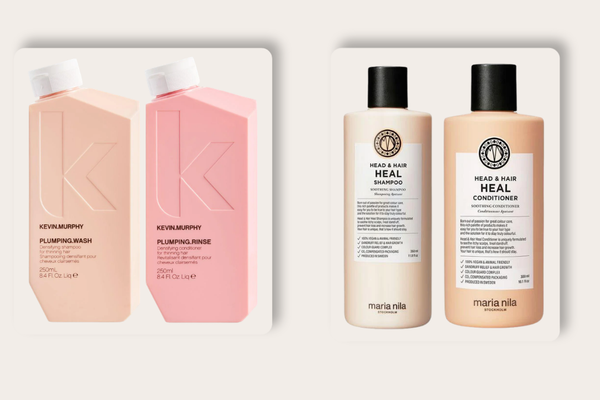
Maria Nila Head & Hair Heal Duo Supersize

For a dry or flaky scalp, this supersized shampoo-and-conditioner pairing contains piroctone olamine alongside aloe vera and vitamin E.
Aveda Nurturing Shampure™ Shampoo Supersize

A gentle option for sensitised hair and scalps, this shampoo lifts away dirt and excess oil while helping your hair feel soft rather than stripped.
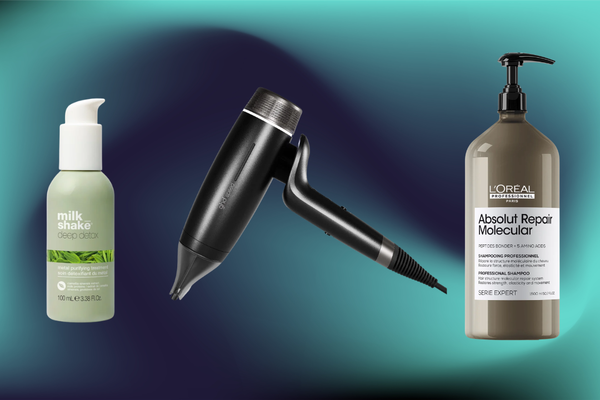
milk_shake Deep Detox Shampoo

When dry shampoo, styling products, pollution or hard water have left their mark, this deeper cleanser helps remove excess oil, impurities and build-up. Think of it as the reset button in your routine.
Scalp Health Products Beyond Shampoo
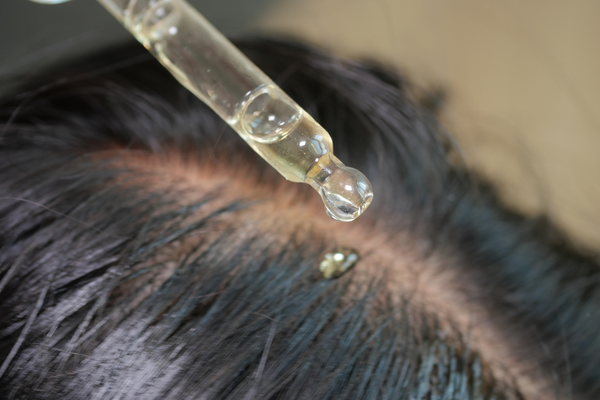
Shampoo helps set the foundation of your scalp, and a targeted treatment can give your scalp extra attention.
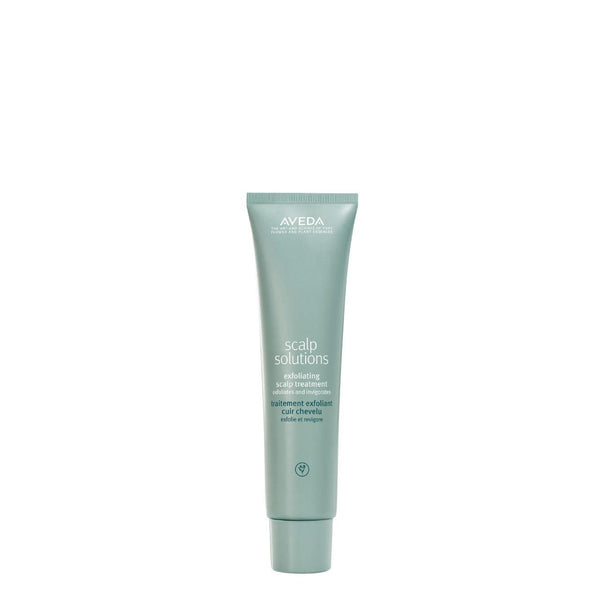
- Aveda Scalp Solutions Exfoliating Scalp Treatment uses salicylic acid to loosen dead skin and build-up before shampooing.
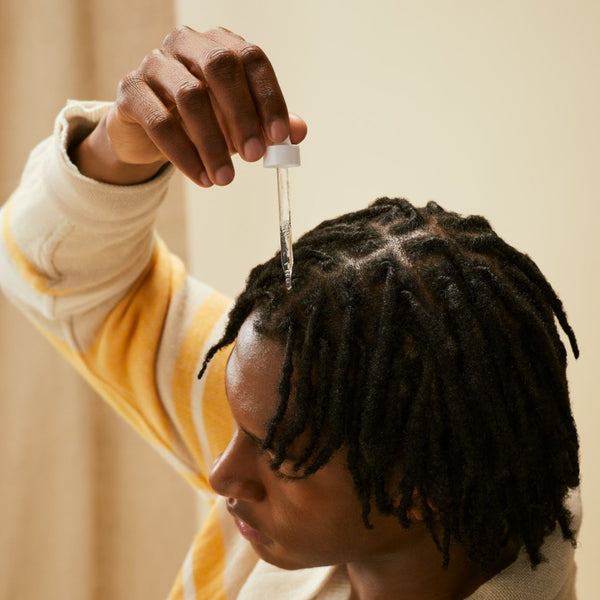
- Paul Mitchell Tea Tree Dry Scalp Serum is a lightweight leave-in designed to replenish moisture.
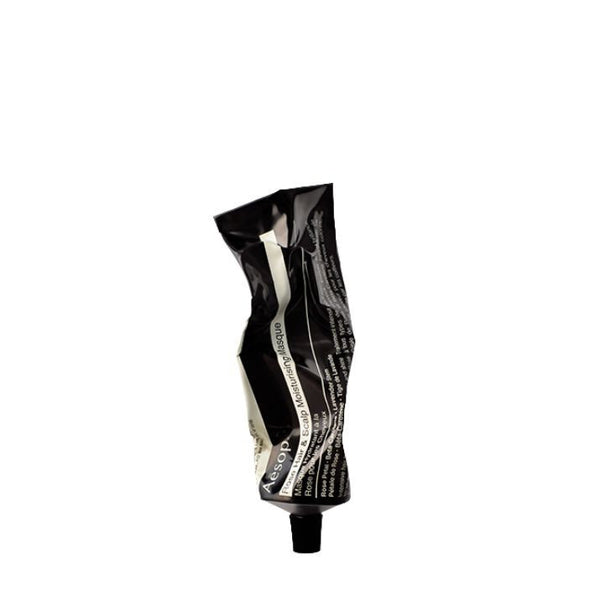
- For the days when both scalp and lengths need more, Aesop Rose Hair & Scalp Moisturising Masque can be applied from root to tip as a weekly conditioning treatment.

A healthy scalp routine doesn't mean introducing lots of products and creating a 10-step routine. Cleanse well, choose products for what your scalp is telling you and resist the urge to overdo it. Explore our scalp care and scalp solutions edits to find the right place to start.