How Do I Fix The Dryness In My Hair?
Hair feeling dry or difficult to manage? From understanding the causes to choosing the right moisturising treatments, discover how to bring softness and shine back to your strands.

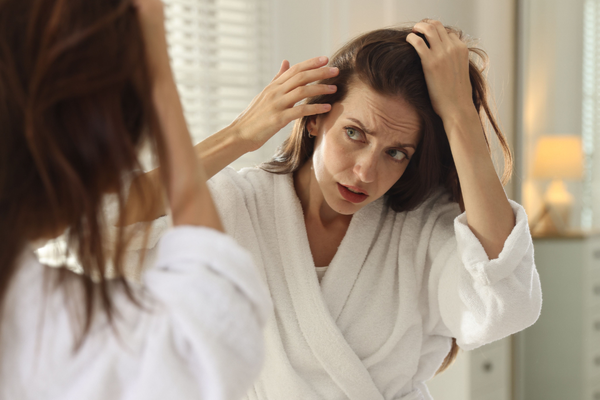
You know that feeling when your hair looks dull, your ends feel rough and no amount of conditioner seems to make a difference? Dry hair can be frustrating, especially when you're doing everything you think you should to keep it looking healthy.
The good news is that dry hair doesn't always mean damaged hair. Understanding what's causing the dryness is the first step towards bringing back that softness, shine and healthy-looking finish. From choosing the right products to making a few small changes to your routine, here's how to give thirsty strands some much-needed attention.
What Causes Dry Hair?
Hair becomes dry when it lacks sufficient natural oils or struggles to retain moisture. Several factors can contribute, including:
-
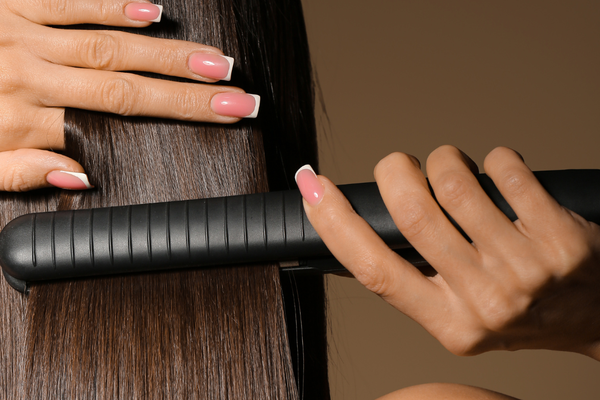
Heat styling: Frequent blow-drying, straightening and curling can leave strands feeling brittle and rough.
-
Colour treatments: Bleaching and chemical processing can increase hair porosity, making moisture harder to retain.
-
Overwashing: Frequent shampooing, particularly with harsh cleansers, can strip away natural oils.
-
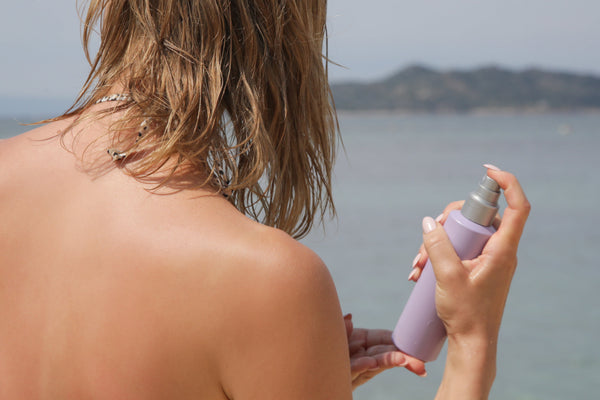
Environmental exposure: Cold weather, central heating, sunshine and swimming can all contribute to dryness.
-
Hair type: Curly, coily and naturally coarse hair often needs extra nourishment because natural oils don't travel as easily down the hair shaft.
Identifying what's behind your dryness makes choosing the right treatment much easier.
Dry Hair vs Damaged Hair: What's the Difference?
Although they can look similar, dry and damaged hair aren't quite the same.
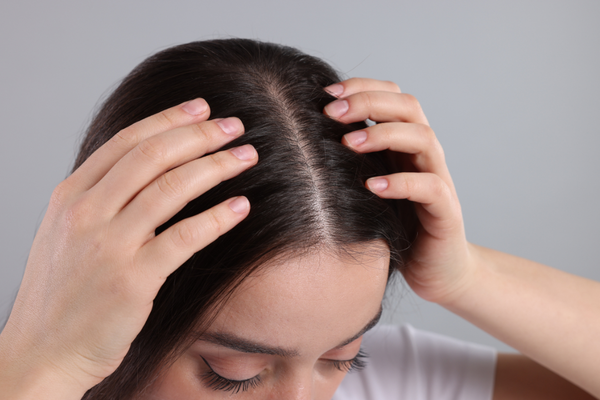
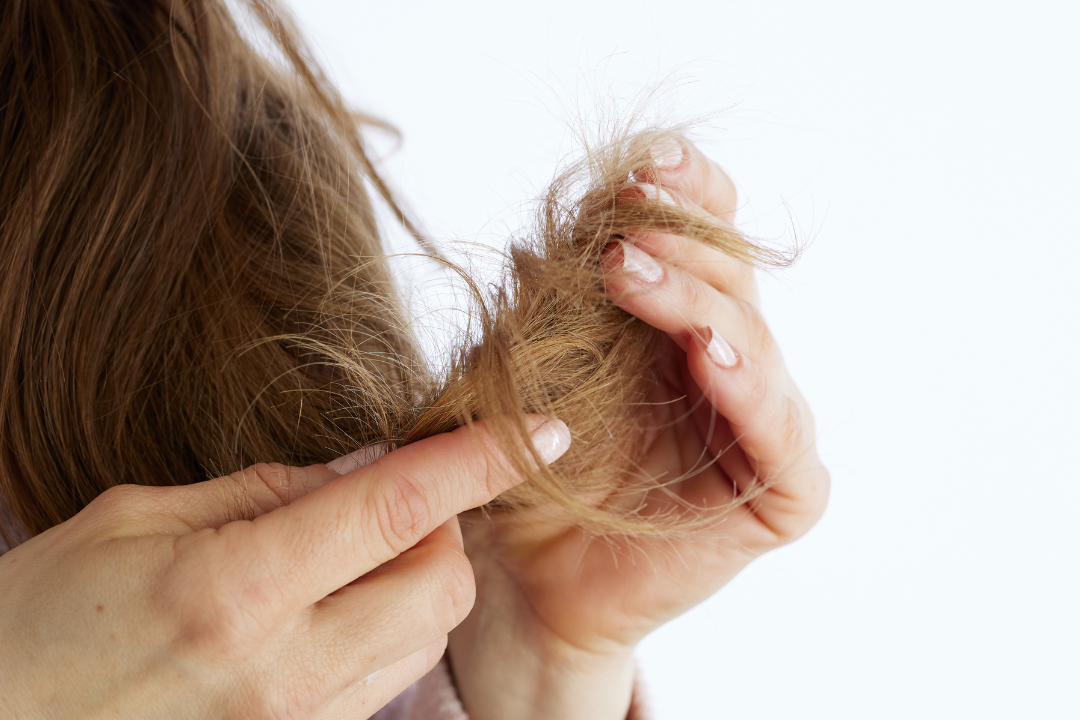
Dry hair often feels rough, lacks shine and becomes frizzy or difficult to manage. It may simply need more conditioning and protection from moisture loss.
Damaged hair, on the other hand, has experienced changes to its structure, often through bleaching, chemical treatments or excessive heat. Signs include breakage, split ends and increased fragility.
If your hair is experiencing both, a combination of moisturising care and targeted treatments may help. Our guide to Olaplex and bond-repair treatments explains how strengthening products can support compromised hair.
How to Hydrate Dry Hair
Choose a Moisturising Shampoo and Conditioner
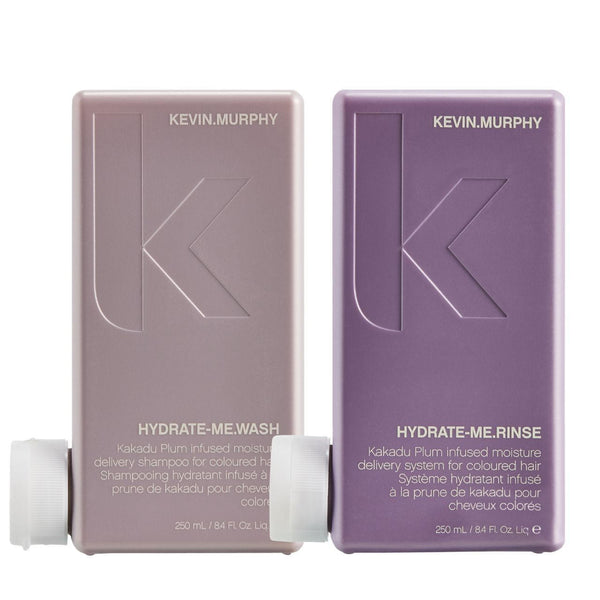
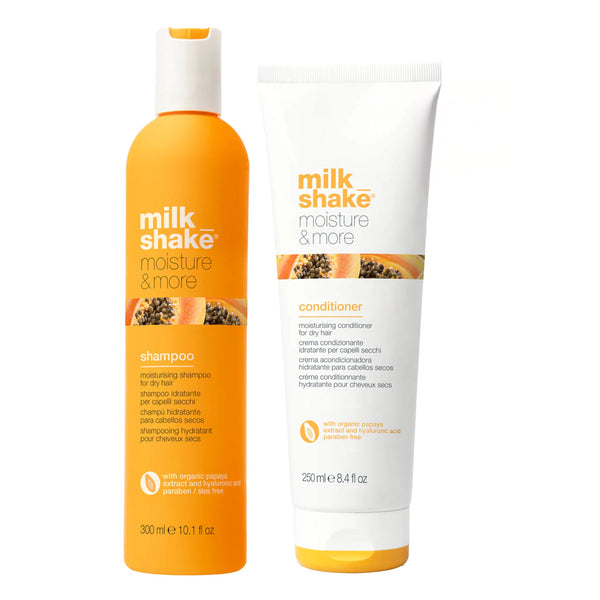
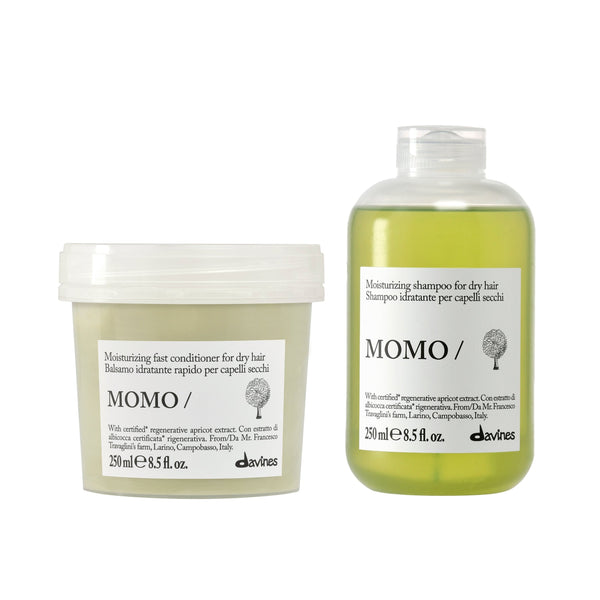
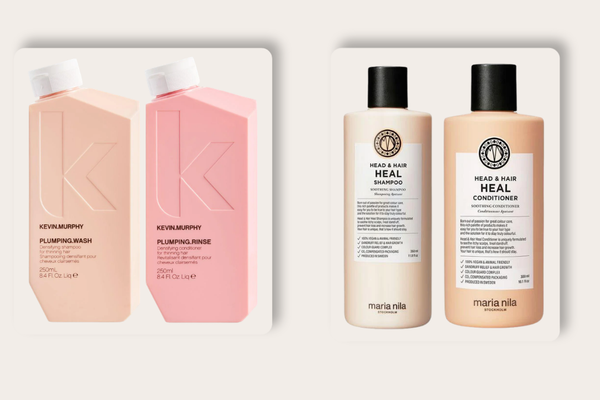
Start with a gentle shampoo suited to your hair type, followed by a conditioner that helps smooth the cuticle and improve manageability.
Look for formulas designed specifically for dry hair, particularly if your lengths feel rough after washing. Focus conditioner through your mid-lengths and ends, where dryness is often most noticeable.
Introduce a Weekly Hair Mask
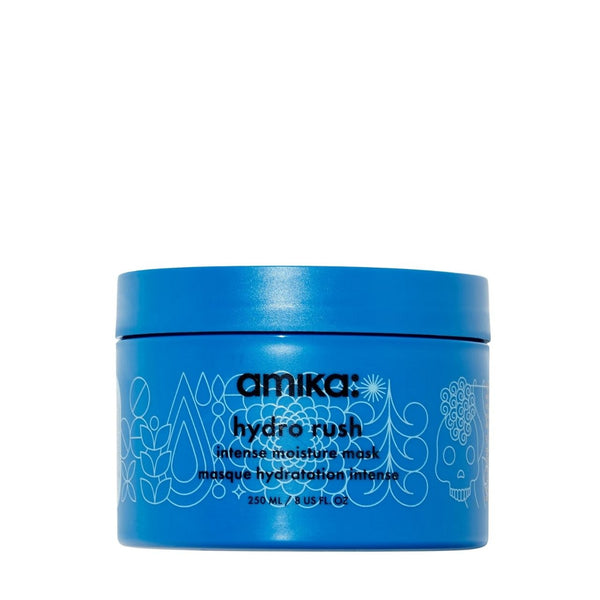
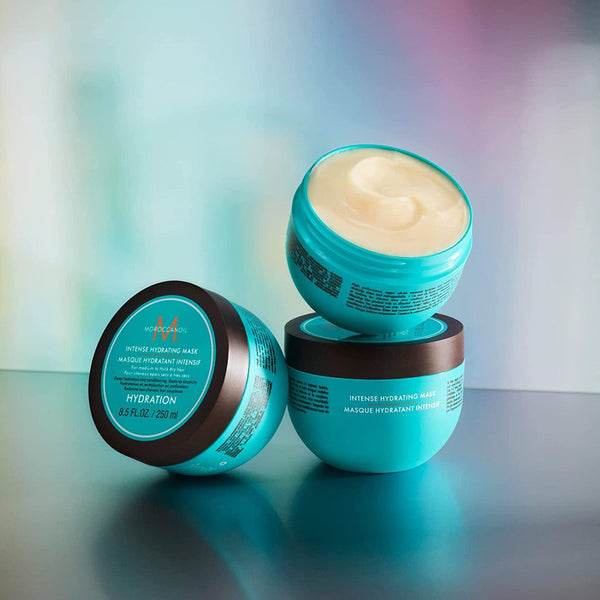
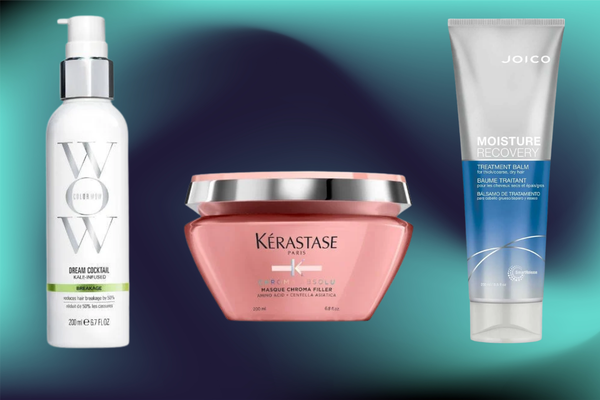
Sometimes, your everyday conditioner needs a little extra help. A nourishing hair mask can temporarily improve softness, reduce friction and make dry strands easier to detangle. For particularly thirsty lengths, look for rich, conditioning formulas that help smooth the hair surface.
Explore our edit of the best hair masks and treatments for dry hair to discover which treatments might work for you.
Don't Skip Leave-In Care
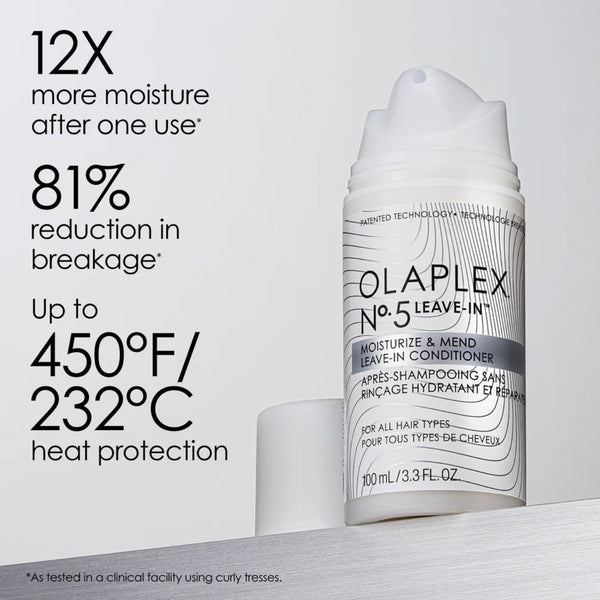
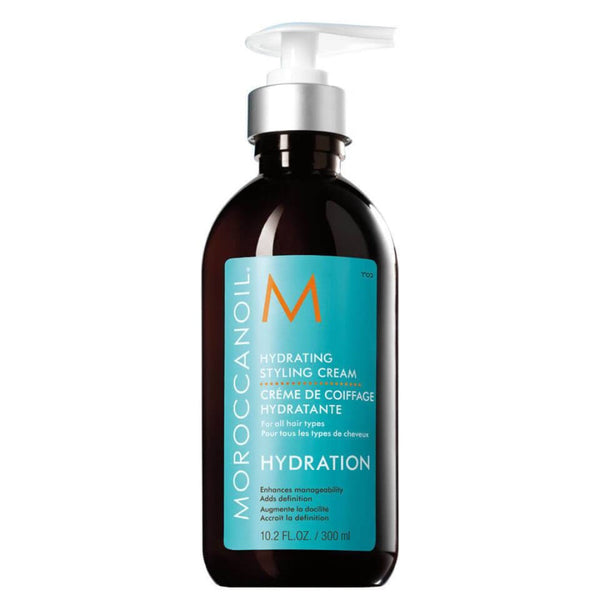
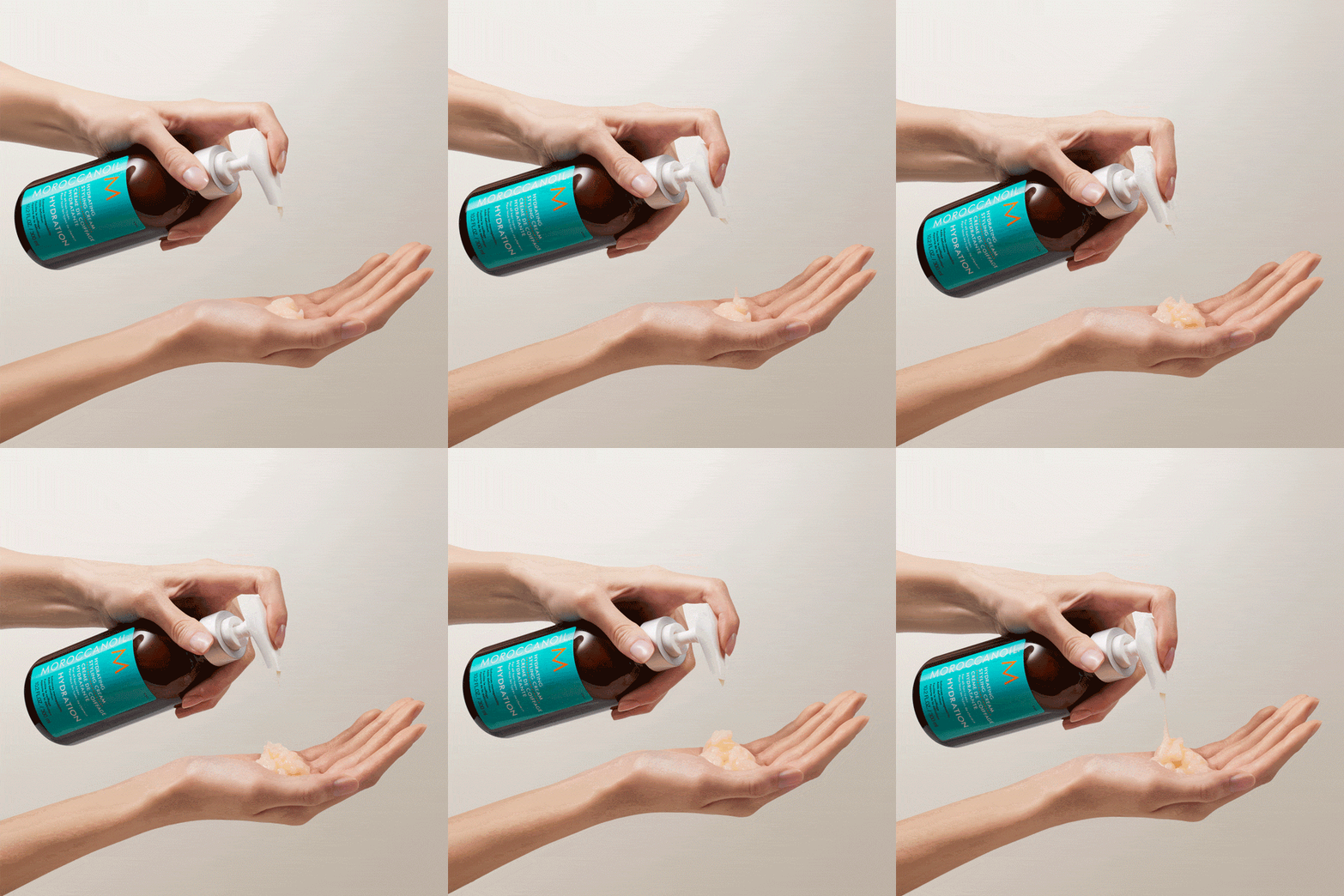
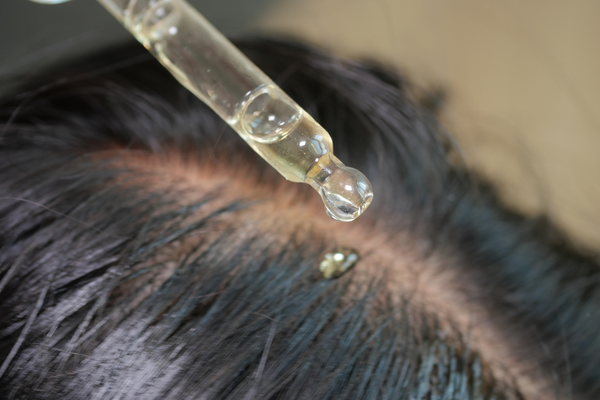
What happens after washing matters just as much as what happens in the shower. Leave-in conditioners and lightweight hair oils can help smooth frizz, reduce tangling and protect the lengths from everyday wear.
If you're using heated tools, always apply a suitable heat protectant and avoid unnecessarily high temperatures.

What Ingredients Are Best for Dry Hair?
Understanding ingredients can make shopping for dry haircare a little easier.
-
Glycerin: A humectant that attracts water and helps support hydration.
-
Panthenol: Helps condition strands and improve their softness and feel.
-
Shea butter: Rich in conditioning lipids that help smooth dry, coarse hair.
-
Argan oil: Helps improve shine, manageability and the appearance of frizz.
-
Hydrolysed proteins: Can temporarily reinforce and condition weakened hair.
The right combination depends on your hair type. Fine hair may prefer lightweight formulas, while thicker or coarser textures often benefit from richer conditioning products.
How Long Does It Take to Fix Dry Hair?
The good news? You may notice softer, smoother hair after your first conditioning treatment. However, improving how your hair looks and feels over time comes down to consistent care and limiting the things contributing to dryness. Remember, split ends and significant structural damage cannot be permanently reversed with conditioner alone. Regular trims can help remove damaged ends and prevent further splitting.
Give Your Hair the Care It Deserves
Whether you're looking for more moisture, smoother lengths or a little extra shine, explore our moisturising and nourishing haircare collection and find the formulas your hair will love.
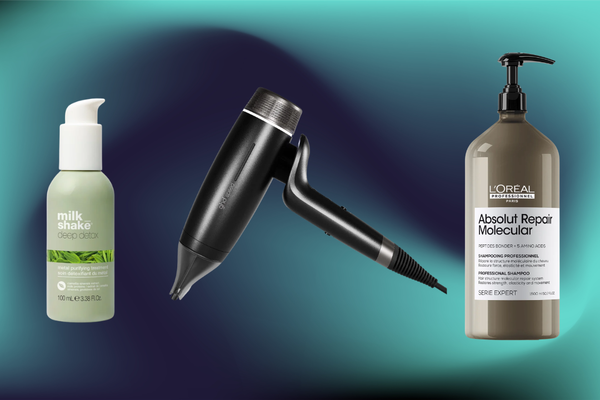
Dry Hair Essentials