Heat Damage: How To Protect Your Hair From Straighteners, Curlers & Blow Dryers
Straighteners, curlers and blow dryers can make styling easier, but repeated heat can leave hair dry, brittle and prone to breakage. Discover how to protect your lengths, recognise heat damage and care...
Heat styling has become so routine that it doesn’t always feel like the damaging part of our haircare. You dry your hair, smooth the ends, run straighteners through a few sections or add a curl, then get on with your day.
The effects tend to show themselves more gradually. Ends start feeling rougher, your hair becomes harder to keep smooth, and the same areas seem to snap no matter how carefully you brush them. If that sounds familiar, heat could be playing a part. Understanding what heat is doing, then being a little more considered about how you style, can make all the difference.
Does Heat Damage Hair?
In short, yes. But it’s repeated exposure that matters, on top of not caring for your locks properly between heat styling. Your hair has an outer protective layer called the cuticle, which helps keep the strand smooth and retain moisture. Regular exposure to high temperatures can compromise that protective layer and leave the hair increasingly dry and vulnerable to breakage.
And because heat damaged hair develops over time, the signs aren’t always dramatic. You might first notice that your ends feel coarse even after conditioning, your hair has lost some of its shine, frizz returns almost immediately after styling, split ends, increased tangling, or strands snapping through the lengths can follow.
Colour-treated and bleached hair may feel these effects sooner because it has already been chemically processed, but any hair type can become damaged if the temperature is too high or heated tools are used repeatedly without enough protection.
The Styling Habits That Make A Difference
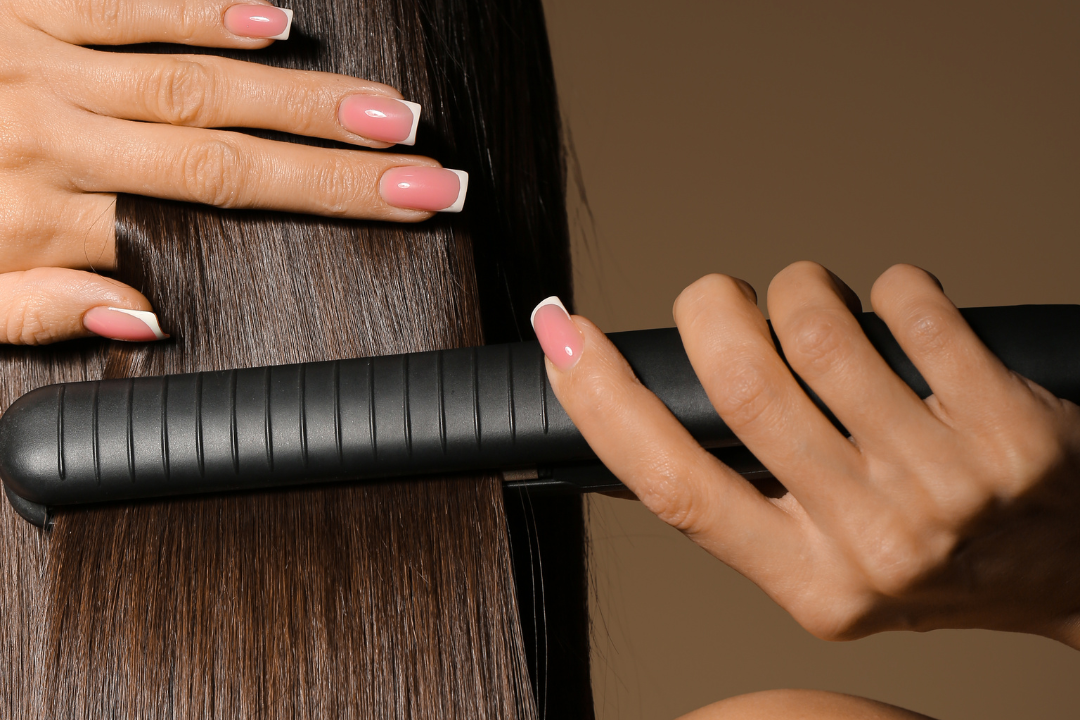
You don’t need to abandon your straighteners. What matters more is how you use them. We’re often guilty of turning a tool straight up to its highest temperature because it feels quicker, particularly when we’re short on time. But if your hair will style effectively at a lower setting, there’s little benefit in exposing it to more heat than it needs.
The same applies to repeated passes. If you find yourself straightening the same section again and again, slowing down and working with smaller, properly detangled sections can often give you a better result with less exposure.
Wet hair needs a little more thought too. Unless your tool has specifically been designed for wet-to-dry use, give your lengths time to dry before reaching for straighteners or curlers. Hair is more fragile when wet, so combining that vulnerability with intense direct heat can put it under unnecessary stress.
If you’re wondering how to prevent hair breakage, this is where the small habits begin to add up: less unnecessary heat, fewer repeated passes and enough conditioning to keep your lengths manageable between styling sessions.
The Step Worth Adding Before The Heat
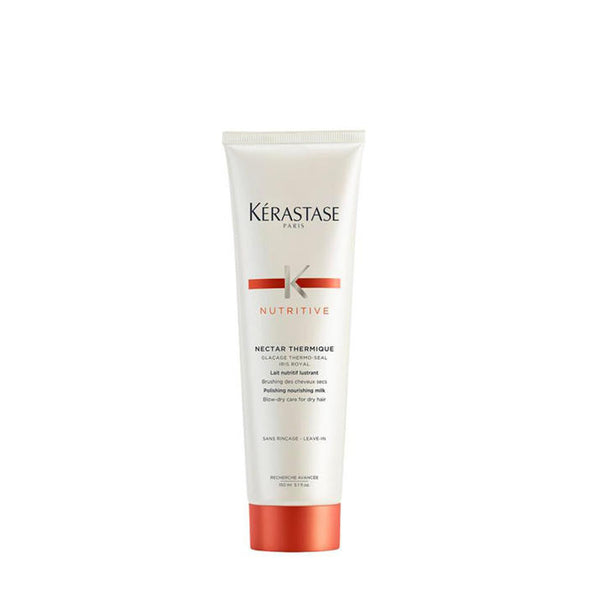
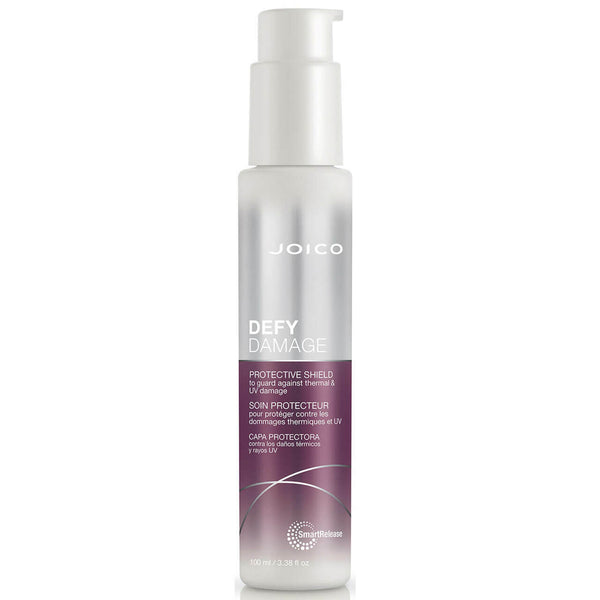
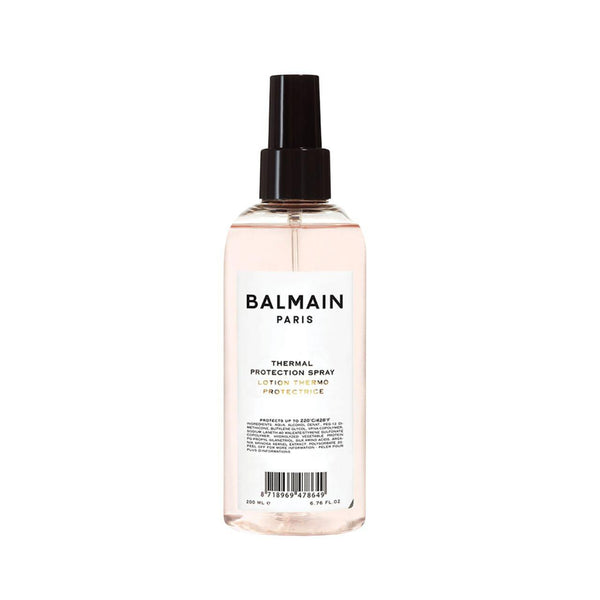
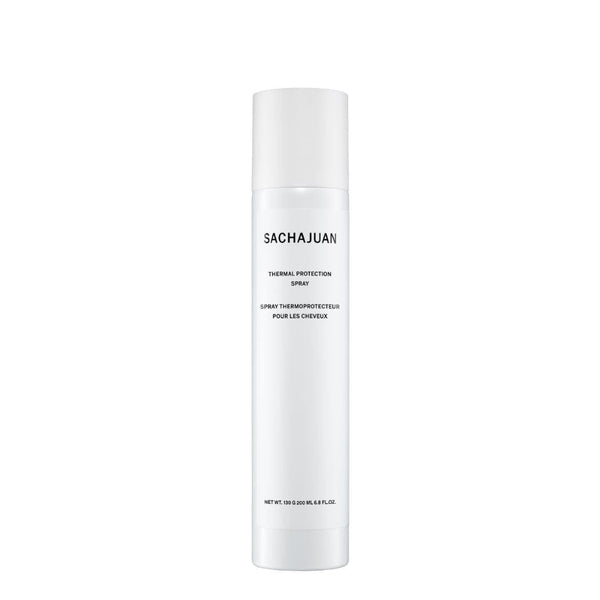
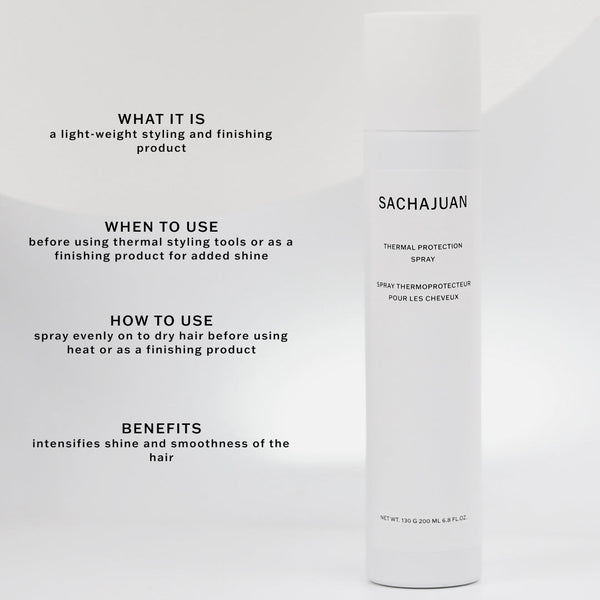
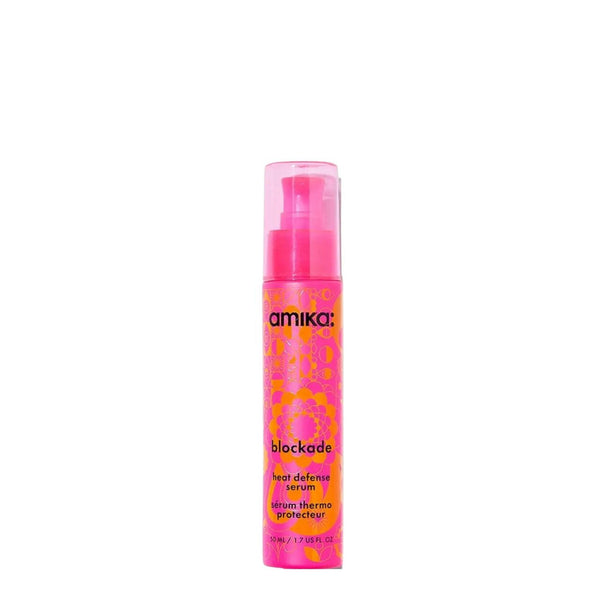
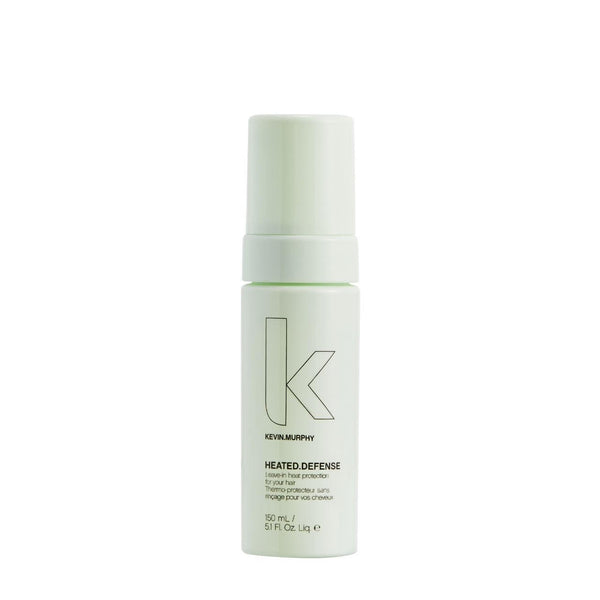
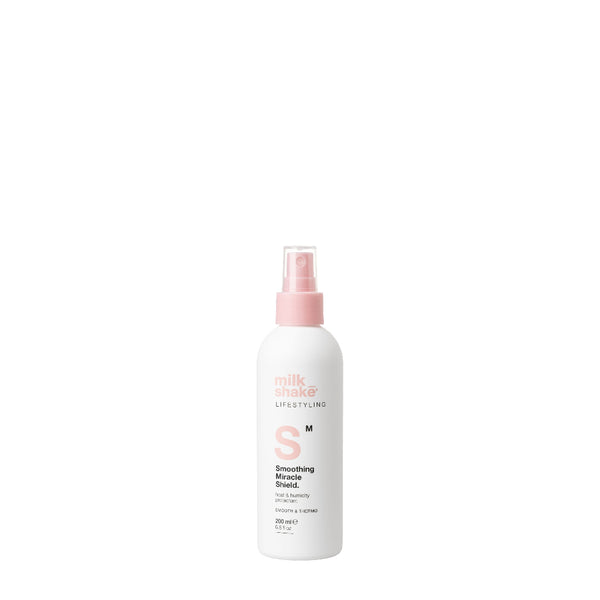
A good heat protectant for hair is designed to sit between your strands and the temperatures they’re about to encounter. Depending on the formula, it can smooth the cuticle and reduce some of the stress caused by heated styling.
The important part is making it habitual. If you blow-dry after every wash, protection belongs in your routine before the dryer is switched on, not just on the days you plan to straighten afterwards.
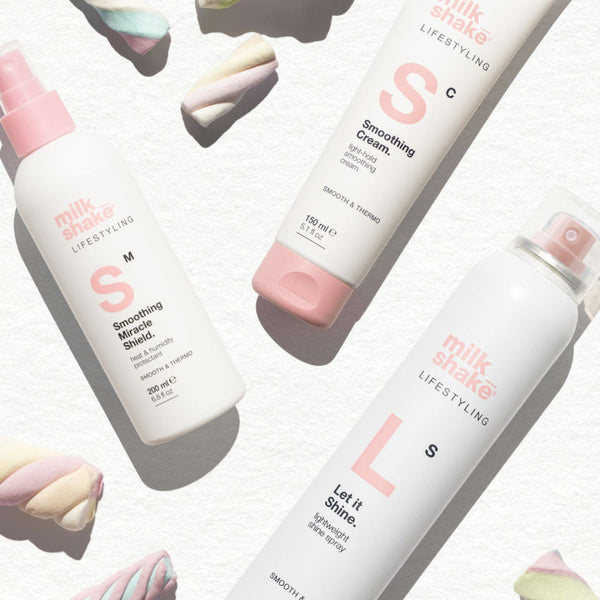
Fine lengths might get on better with a lightweight mist that disappears into the hair, while thick, coarse or particularly dry hair may prefer the extra conditioning of a cream or serum. Our heat protection collection brings those different textures together, making it easier to choose according to how your own hair behaves.
Just remember to check the directions. Some formulas are made for damp hair, some can be reapplied to dry hair before further styling, and others work for both.

Can You Repair Heat Damaged Hair?
Once a section of hair is significantly damaged, it cannot heal itself in the same way skin can. What a good routine can do is improve how damaged lengths feel and behave, help reinforce vulnerable areas and stop you adding more damage while healthier hair grows through.
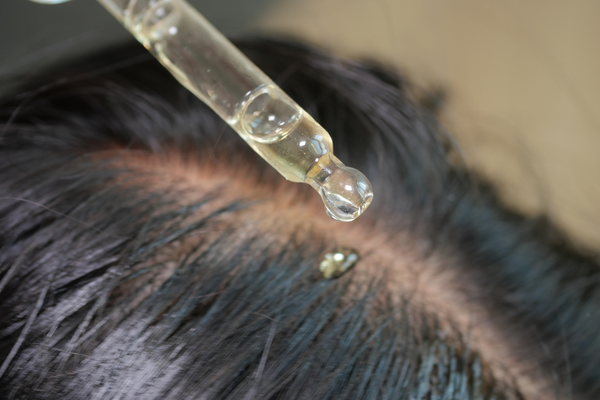
A richer conditioner can help bring back softness and slip. Regular masks can make dry hair feel more manageable, while bond-focused or strengthening treatments may be useful for hair that has also been bleached or chemically treated. Keeping on top of trims can prevent badly split ends from becoming increasingly ragged too.
Perhaps most importantly, resist the urge to keep applying more heat simply because damaged hair has become harder to style. Give it the occasional air-dry, lower the temperature where you can and use heat protection for hair every time you go back in with a dryer, wand, heated brush or straightener.
Keep The Style, Change The Approach
A good hair day and healthier-looking lengths aren’t opposing goals. You can still have the smooth blow-dry, polished straight finish or curls you love. The difference is being more selective about the amount of heat it takes to get there.
Turn the temperature down when you can. Stop going over the same section once it’s already styled. Give your hair a break when it feels dry or fragile. And before the heat goes on, give your strands the protection to match.
Shop Our Top Picks