Heat Protection for Hair: Everything You Need to Know Before Styling
Heat protection won't make your hair invincible, but it slows damage down a lot. Here's how it works, which type suits your hair and how to apply it properly.

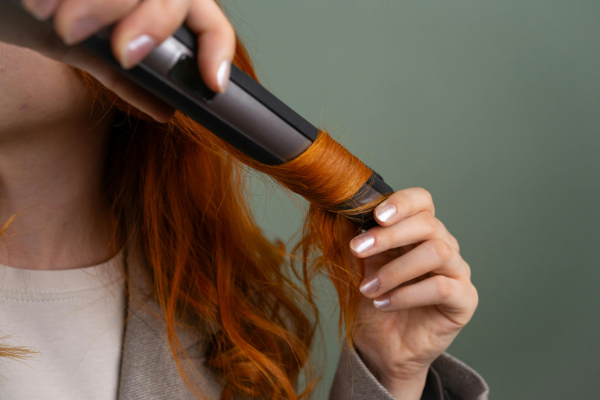
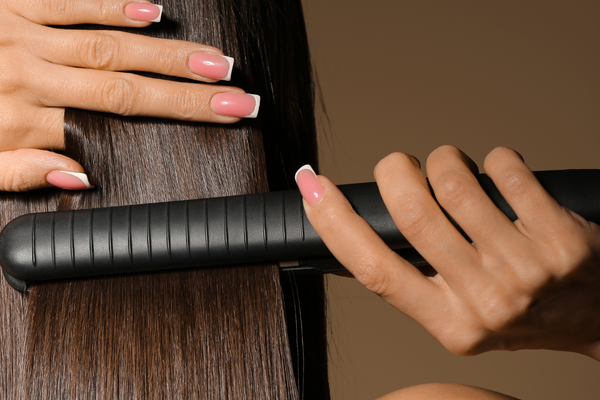
Your straighteners can reach well over 200°C. Water boils at 100°C. Put those two facts together and it's easy to see why hair that's styled with heat most days starts to feel dry and snap at the ends.
Heat protection won't make your hair invincible, and any product that claims to is overpromising. What it does is slow the damage down, often by a lot. If you use hot tools of any kind, it's the one styling step that's never optional.
1. What heat protection actually does
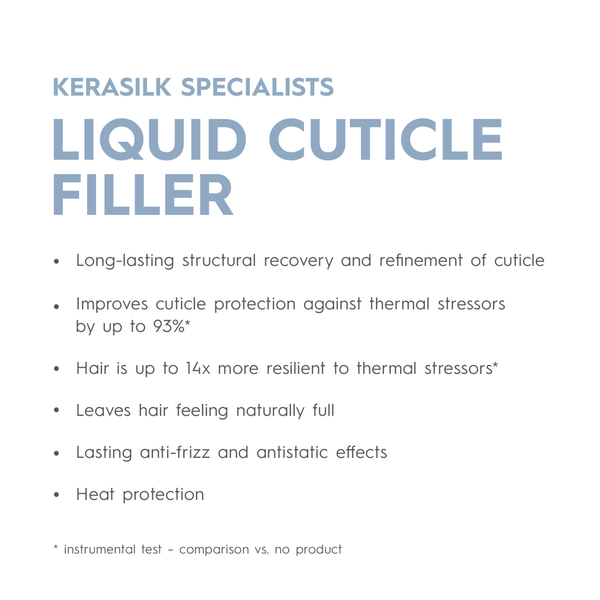
Heat protectors coat each strand in a thin film. That film spreads the heat more evenly and slows down how quickly it reaches the inside of the hair. Many also lock in a little moisture, so there's less water to boil off under the plates.
They're not all the same, though. Sprays are light and easy to spread. Milks and creams add moisture as they protect. Oils give the most slip and shine, but they can be heavy. The right one depends far more on your hair than on the brand.

2. Choosing the right heat protector for your hair
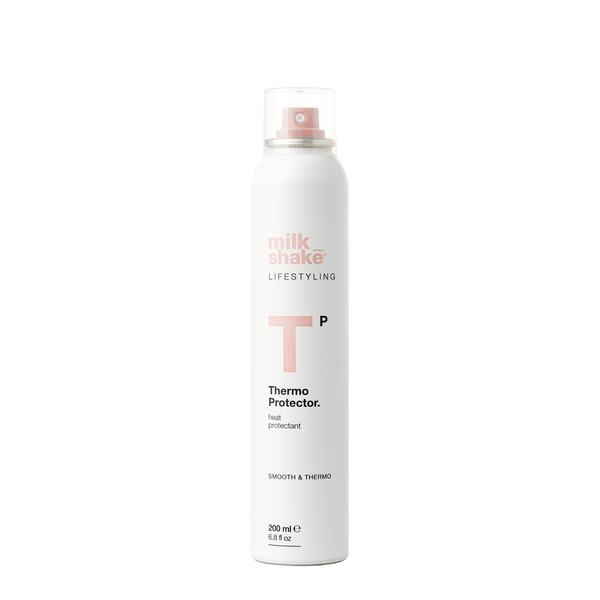
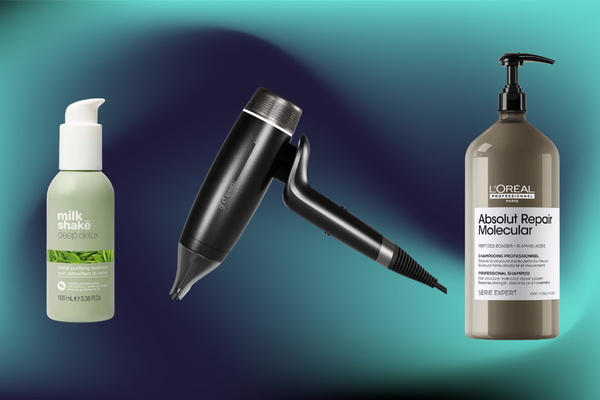
Fine hair needs protection that won't weigh it down. milk_shake Lifestyling Thermo-Protector Spray 200ml is an ultra-fine mist that disappears into the hair, and it can go on damp or dry. Browse more in our fine hair edit.
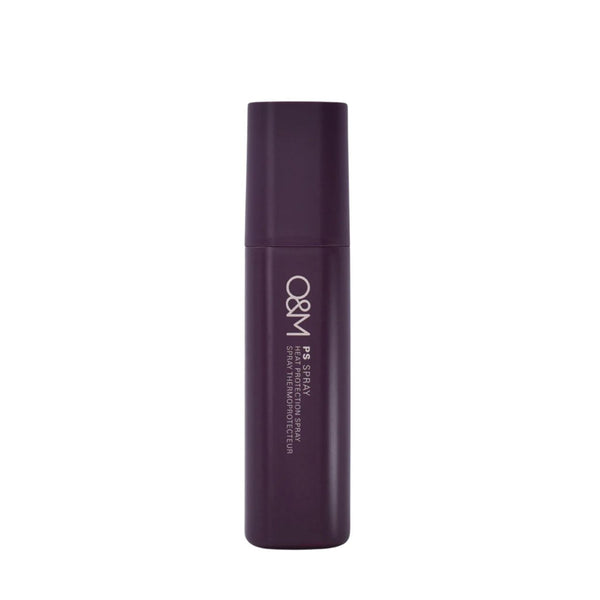
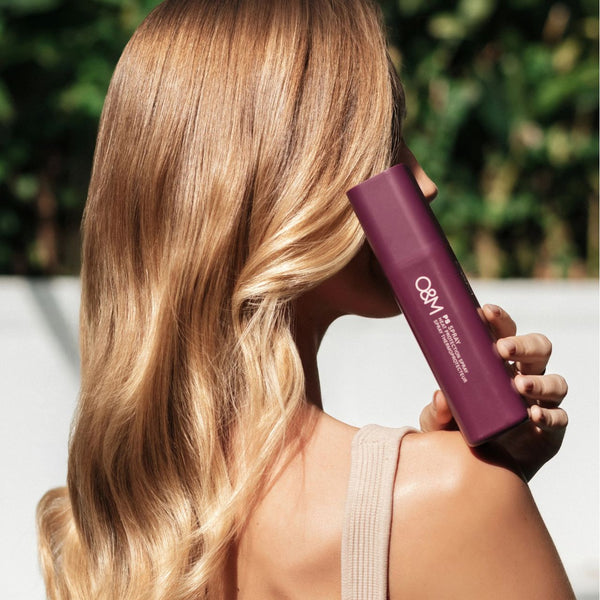
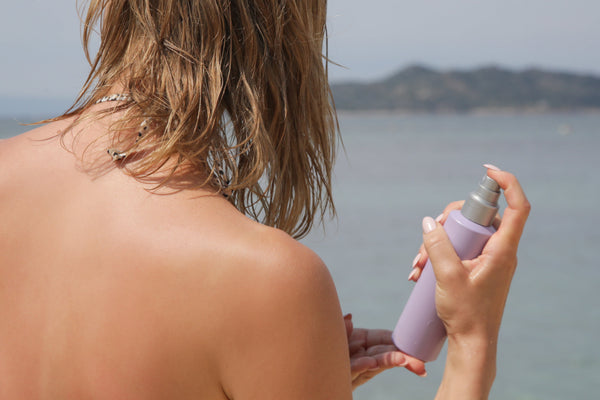
Heat and sunlight both fade coloured hair, so it's worth choosing a protector that handles both. O&M PS Heat Protection Spray 150ml adds UV protection, which makes it a sensible everyday choice if you're paying for regular colour, and you'll find more in our coloured hair collection.
If your hair is dry or frizzy, it usually wants moisture as well as protection. Davines OI All In One Milk 135ml detangles and softens, so it replaces your leave-in conditioner rather than adding another layer. For more options, see our frizzy hair collection.
Long or damaged hair has been through more, so the ends need the most care. Davines MELU Anti Breakage Spray 250ml protects up to 230°C and helps reduce breakage while you brush. The damaged hair collection is worth a look too.
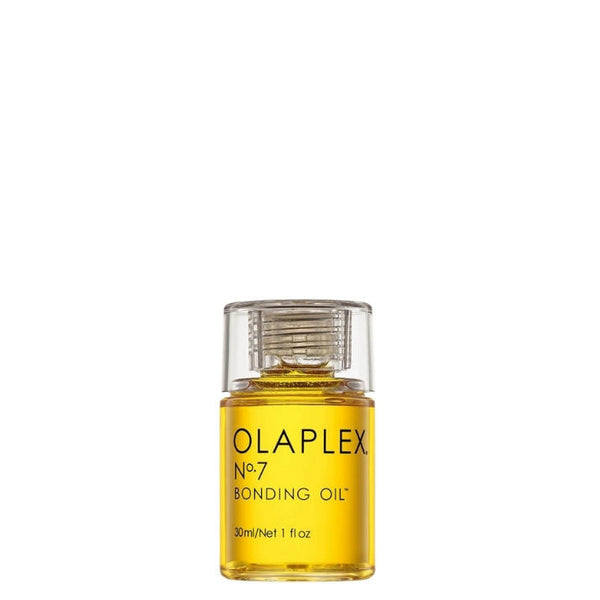
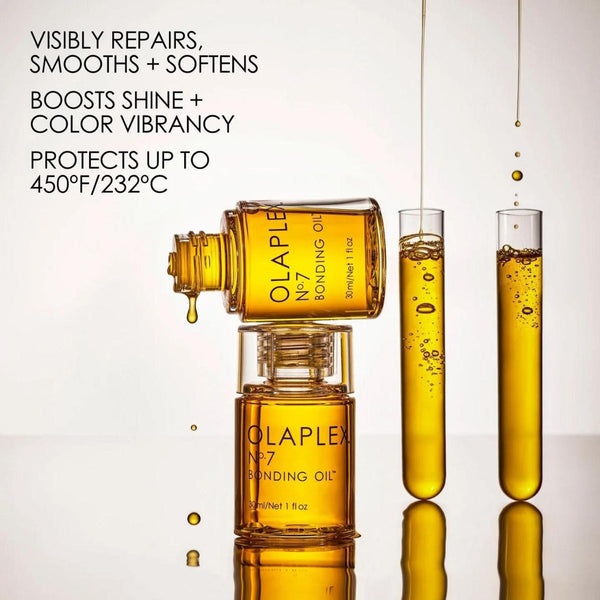
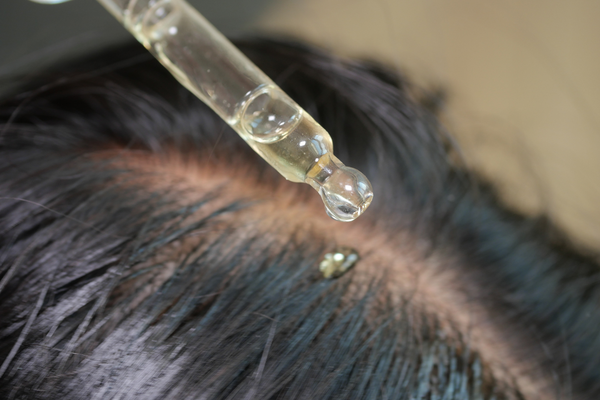
Thick or coarse hair can take something richer. Two or three drops of Olaplex No.7 Bonding Oil 30ml through the lengths gives heat protection with plenty of shine. On fine hair, the same amount would look greasy, so skip it.
Still not sure? Our full heat protection collection covers every hair type.
3. How to apply heat protection properly
- Apply to towel-dried hair. On soaking wet hair, the product gets diluted and runs off.
- Work in sections. Spray each section from about 20cm away rather than misting the top layer and hoping for the best. The hair underneath needs it just as much.
- Comb it through. A wide-tooth comb spreads the product from root to tip so no strands are missed.
- Reapply before hot tools. If you blow-dry and then straighten, a light second layer on dry hair is worth it, since the first has done its job under the dryer.
- Make sure hair is fully dry before straightening. Wet hair under hot plates steams from the inside, and that's where real damage happens.

4. Turn the heat down
Protection works best alongside sensible temperatures. As a rough guide, fine or damaged hair rarely needs more than 180°C. Most other hair types style well at 180°C to 200°C. Only very thick, coarse hair usually needs more.
Fewer passes help too. One slow pass with straighteners does less damage than several quick ones at a higher setting. If you find yourself going over the same section again and again, the sections are probably too big.
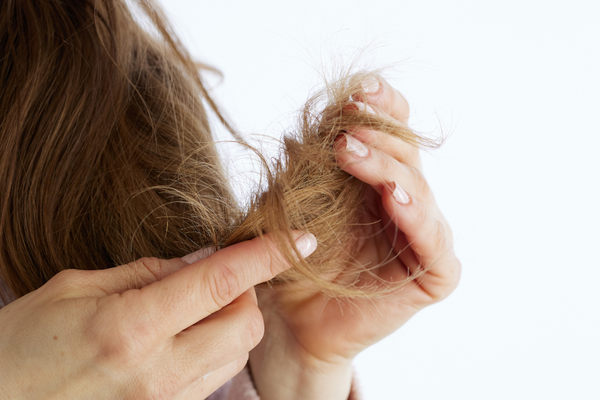
For more on spotting and dealing with damage that's already happened, read our guide to heat damage.
Heat protection FAQs
Do I need heat protection for a hairdryer?
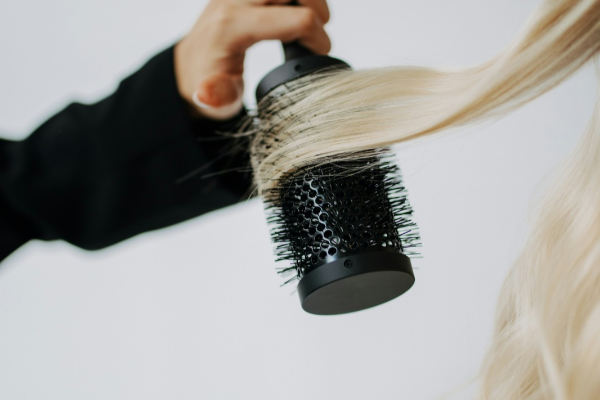
Yes. A dryer is cooler than straighteners, but you use it for longer and over all of your hair.
Can I use hair oil as heat protection?
Only if it's formulated for it. Some oils, like Olaplex No.7, are. Others aren't, so check the label first.
How often should I reapply?
Every time you use heat. It doesn't build up protection over the week.
Does heat protection stop all damage?
No. It reduces damage rather than preventing it, so heat-free days still help. If your hair suits it, try air-drying once or twice a week and save the styling for when it counts.
Shop The Heat Protection Edit