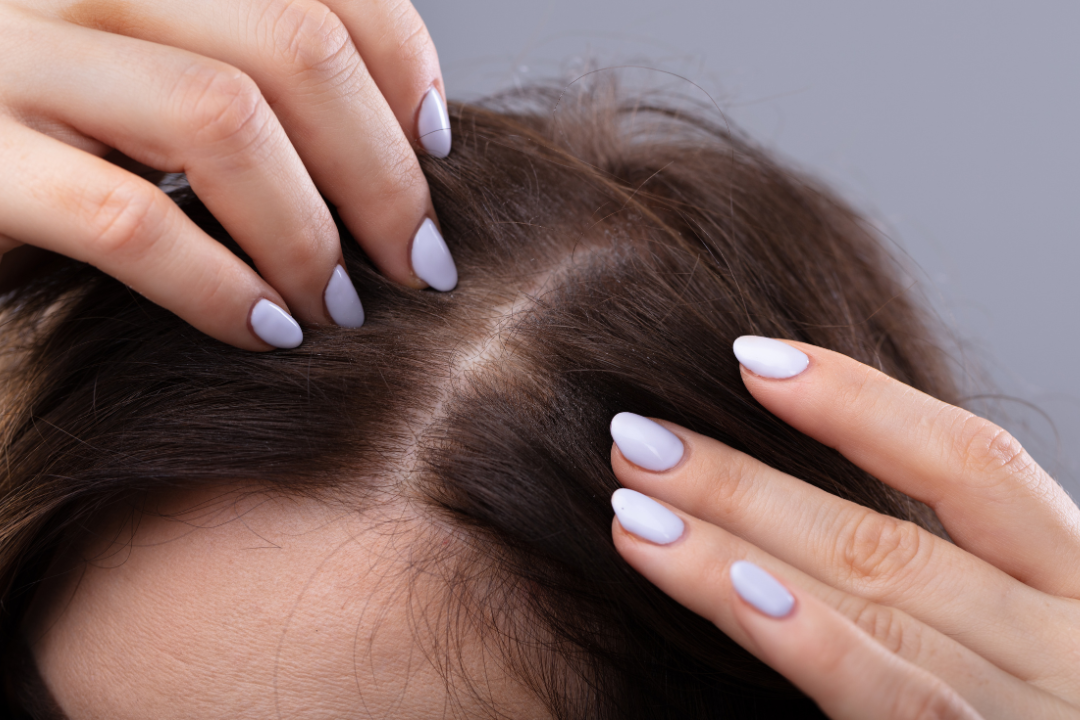
Haircare For Thinning Hair: How To Support Fuller-Looking Hair
Noticing your hair feels finer or less full than it used to? From understanding hair density to choosing volumising shampoos and strengthening treatments, discover how to support fuller-looking hai

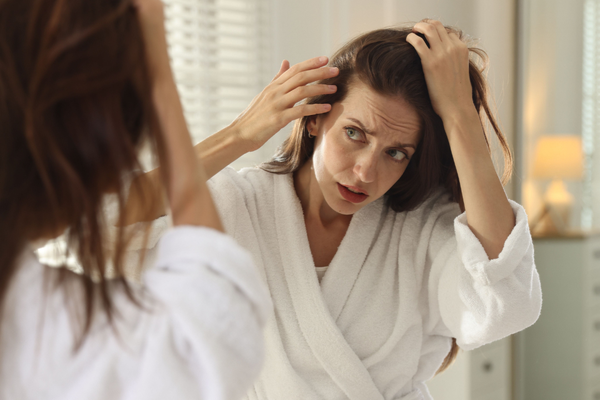
Perhaps your ponytail doesn't feel quite as thick as it used to, your parting looks a little wider, or your hair seems to fall flat no matter how you style it. Noticing changes in your hair can be frustrating, especially when you're unsure what's causing them.
From hormonal changes and stress to genetics and everyday haircare habits, there are several reasons why your hair might be losing its fullness. While not every cause can be addressed through haircare alone, the right products and a few thoughtful changes to your routine can help protect existing strands, minimise breakage and support thicker, healthier-looking hair.
What Causes Hair Thinning in Women?
Hair thinning in women can happen for several reasons, and it's not always related to the products you're using.
Some of the most common causes include:
-
Hormonal changes: Pregnancy, postpartum changes and menopause can all affect the hair growth cycle.
-
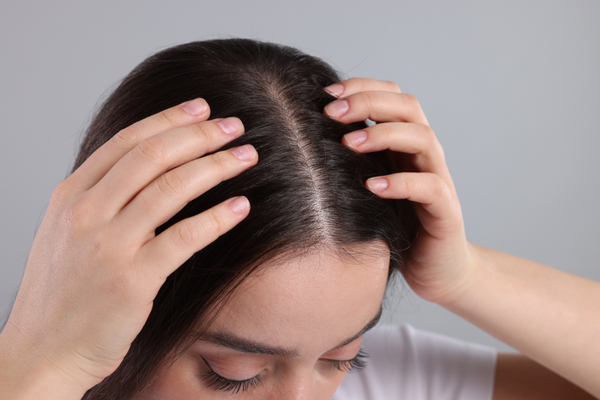
Genetics: Female pattern hair loss can cause gradual thinning, particularly around the parting.
-
Stress: Physical or emotional stress can trigger temporary excessive shedding.
-
Nutritional deficiencies: Low iron levels and other nutritional deficiencies can contribute to hair loss.
-
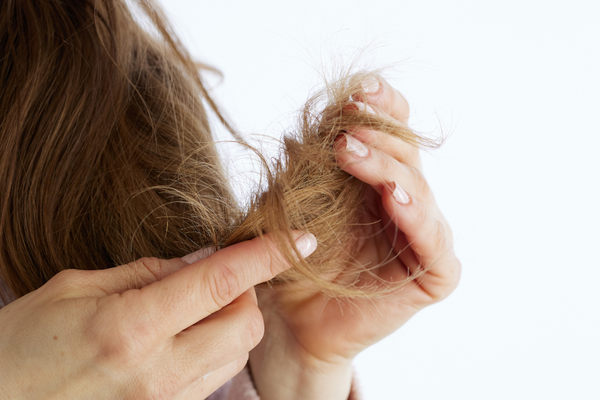
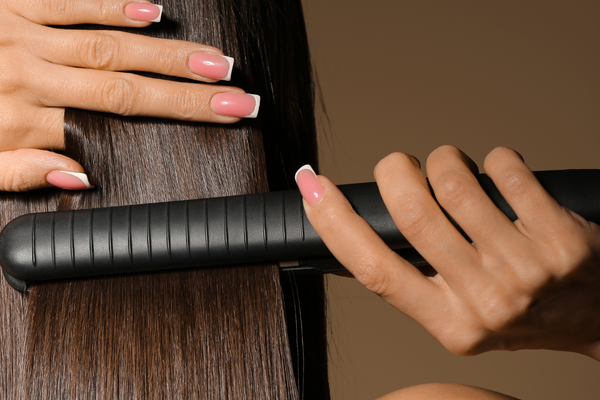
Hair damage: Frequent heat styling, chemical processing and tight hairstyles can cause breakage, making hair appear thinner.
It's also worth understanding the difference between hair shedding and hair loss, particularly if you've noticed more strands in your brush or shower.
Fine Hair vs Thinning Hair: What's the Difference?
Fine hair refers to the diameter of each individual strand, while thinning hair describes a reduction in the number of hairs growing on your scalp, often referred to as hair density. You can have naturally fine hair without experiencing hair loss, just as you can have thicker strands that gradually become less dense.
The distinction matters because products designed for fine and thin hair can create the appearance of volume and fullness, but they won't necessarily address the underlying cause of hair thinning.

How to Make Hair Look Thicker and Fuller
Haircare products can help improve scalp condition, protect fragile strands and make your hair appear thicker. It's important to also look at the cause of your hair thinning and make any changes to your lifestyle and diet or see a doctor for personalised care.
Start With Scalp Care
Healthy-looking hair starts with a well-cared-for scalp. Excess oil, product build-up and irritation can affect how comfortable your scalp feels, so regular, gentle cleansing is important.
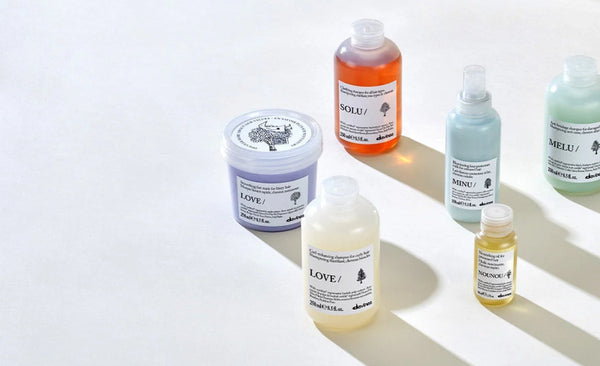
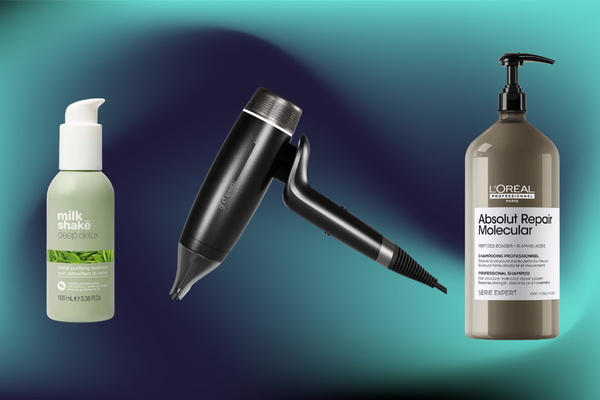
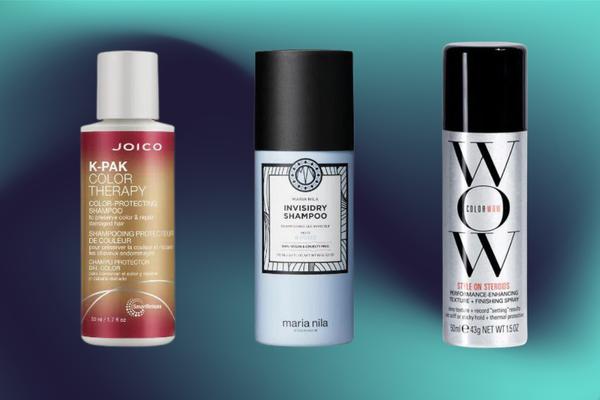
Consider a shampoo designed for thinning hair or a lightweight volumising shampoo that cleanses your hair without leaving your roots feeling weighed down. Look for formulas that suit your scalp's needs rather than relying on products promising instant hair growth.
Strengthen Existing Strands
When you're noticing less fullness, reducing avoidable breakage is particularly important. Hair that's weakened by colouring, excessive heat or everyday friction can snap along the lengths, making it appear even thinner.
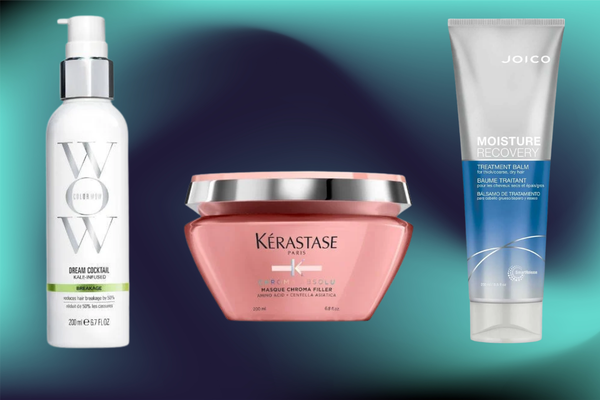
Choose strengthening treatments and volumising conditioners that help reduce tangling that leads to breakage and improve manageability without weighing hair down.
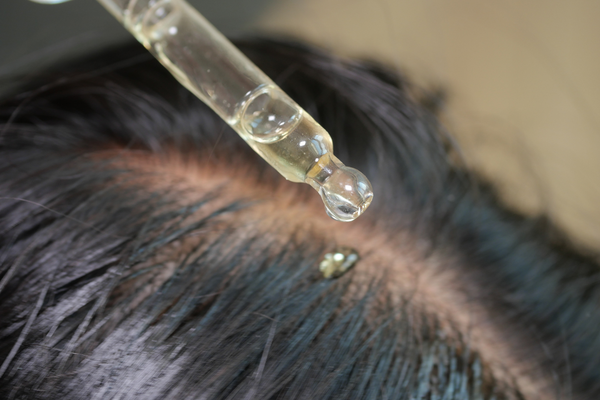
Consider Targeted Scalp Serums
Scalp serums can be a useful addition to your thinning haircare routine, particularly formulas designed to support scalp condition or help improve the appearance of hair density. However, it's worth remembering that cosmetic scalp treatments aren't necessarily proven to stimulate new hair growth. For persistent thinning, identifying the underlying cause is just as important as choosing the right product.
Create the Appearance of Fuller Hair
Sometimes, a little clever styling can make a noticeable difference. Root-lifting sprays and volumising treatments can temporarily create more body, making thinning hair look fuller. Try avoiding heavy oils around the roots, limiting excessive heat styling and choosing products that give your hair movement without unnecessary weight.
What Are the Best Products for Thinning Hair?
The best products for thinning hair depend on whether you're trying to improve volume, reduce breakage or address genuine hair loss.
- For flat, fine hair, look for lightweight volumising shampoos and styling products that add body without build-up.
- For fragile strands, strengthening conditioners and leave-in treatments can help reduce breakage, supporting fuller-looking lengths.
- For scalp care, choose products suited to your scalp's needs, particularly if you're experiencing dryness, irritation or excess oil.


Can You Improve Hair Density?
There's an important difference between making hair look thicker and increasing the number of hairs growing from your scalp. Volumising products temporarily improve fullness, while strengthening treatments can help retain length by reducing breakage.
However, a thinning hair treatment intended to address actual hair loss depends on the underlying cause. For example, hormonal changes can affect hair density. Our guide to perimenopausal and menopausal haircare explores how to care for hair through these changes.
If you're experiencing persistent or sudden thinning, speak to your GP or a qualified hair-loss specialist to understand what's happening.
Discover Fuller-Looking Hair With Luxurious Look
Supporting fine or thinning hair doesn't need an overwhelming routine. It's about choosing products that care for your scalp, protect fragile strands and create natural-looking fullness. Explore our collection of haircare for fine and thinning hair and discover your new favourites at Luxurious Look.